
PAT Testing, EICRs and Electrical Safety for Landlords
Electrical Safety and PAT Testing for Landlords in 2026
Electrical safety is a key part of landlord fire safety. Faulty wiring, damaged appliances, overloaded sockets and poorly maintained electrical equipment can all increase the risk of fire in rental properties.
For landlords, letting agents and property managers, the important point is to understand the difference between fixed electrical installation checks and PAT testing. They are related, but they are not the same thing.
An Electrical Installation Condition Report, often called an EICR, looks at the fixed electrical installation in the property. PAT testing, or Portable Appliance Testing, looks at portable electrical appliances and equipment.
Both can play an important role in helping landlords manage risk, protect tenants and keep clear compliance records.
What is an EICR?
An Electrical Installation Condition Report checks the safety and condition of the fixed electrical installation within a property.
This may include:
- Wiring
- Consumer units
- Sockets
- Switches
- Light fittings
- Earthing and bonding
- Circuits and protective devices
In England, landlords must have the electrical installations in their rented properties inspected and tested at least every five years by a properly qualified person. Landlords must also provide evidence that the electrical installation has been inspected and tested.
An EICR is therefore a key compliance document for landlords and should be kept with the property’s safety records.
What is PAT testing?
PAT testing stands for Portable Appliance Testing. It is the inspection and, where appropriate, testing of portable electrical appliances to check whether they are safe to use.
Portable appliances may include items such as:
- Kettles
- Toasters
- Microwaves
- Fridges
- Washing machines
- Lamps
- Vacuum cleaners
- Extension leads
- Portable heaters
- Office equipment in managed accommodation or landlord offices
PAT testing usually includes a visual inspection and may also include formal electrical tests using specialist equipment. Visual inspection is an important part of the process because some defects can be identified without electrical testing.
Is PAT testing a legal requirement for landlords?
There is no simple blanket rule saying every landlord must PAT test every appliance every year.
However, landlords do have a duty to ensure that any electrical appliances they supply are safe. This means that if a landlord provides portable electrical appliances as part of a tenancy, they should have a sensible system for checking and maintaining them.
PAT testing can be a practical way to help demonstrate that supplied appliances are being managed responsibly.
This is particularly relevant for:
- Furnished rental properties
- HMOs
- Serviced accommodation
- Student lets
- Short-term lets
- Managed residential portfolios
- Properties where landlords provide multiple appliances
- Properties occupied by vulnerable tenants
- Accommodation with higher appliance use or higher turnover
The right inspection and testing frequency should be based on risk. A kettle used daily in shared accommodation may need more frequent checks than a bedside lamp in a low-risk setting.
PAT testing and fire safety
Electrical faults are a common fire risk. Damaged plugs, frayed cables, loose connections, overheating appliances and overloaded extension leads can all create hazards.
PAT testing can help landlords identify issues such as:
- Damaged cables
- Cracked plugs
- Loose connections
- Signs of overheating
- Failed insulation
- Faulty earth continuity
- Unsafe extension leads
- Appliances that should be repaired or removed
For landlords, the benefit is not just the test itself. The value comes from having a clear maintenance process, acting on defects and keeping evidence that reasonable steps have been taken to reduce risk.
What should landlords keep records of?
Good record keeping is increasingly important for landlords and letting agents. If there is a tenant complaint, insurance query, local authority inspection or fire incident, clear records can help show that electrical and fire safety risks have been managed responsibly.
A landlord’s electrical and fire safety file may include:
- EICR certificates
- PAT testing records where appliances are supplied
- Appliance inventories
- Records of appliance repairs or removals
- Smoke alarm and carbon monoxide alarm records
- Fire Risk Assessments where required
- Fire alarm servicing records where applicable
- Emergency lighting records where applicable
- Fire extinguisher servicing records where applicable
- Tenant safety information
- Records of remedial works
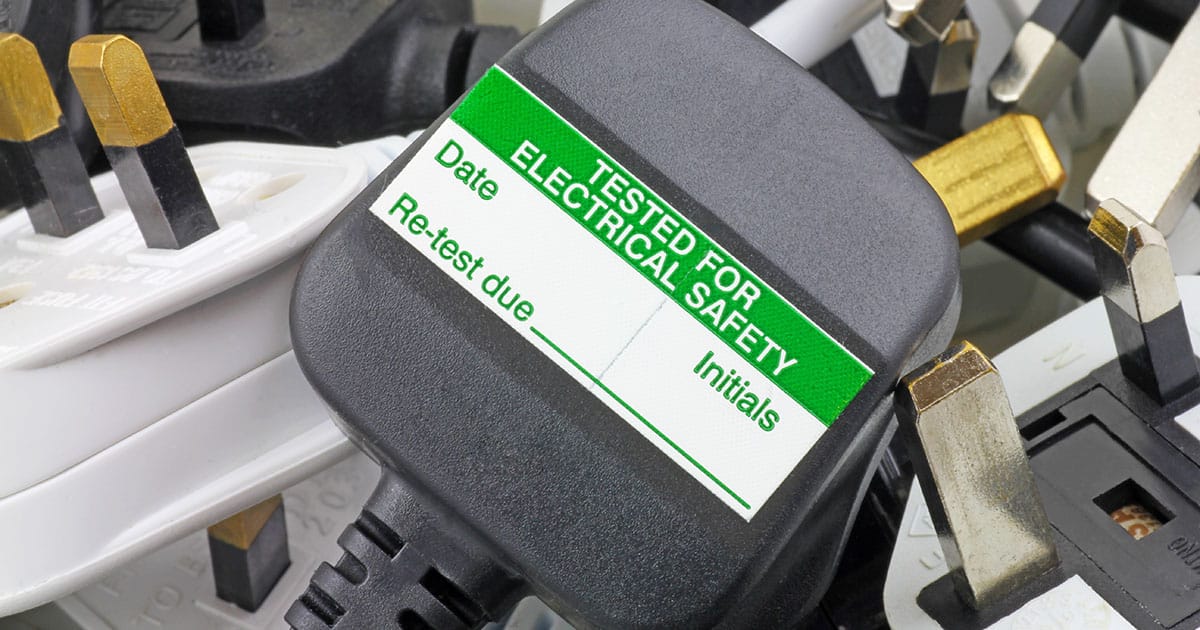
PAT labels can be useful, but landlords should not rely on labels alone. The more important evidence is the inspection and testing record, together with proof that any defects were dealt with promptly.
EICR or PAT testing: which does a landlord need?
In most rental properties, the EICR is the core electrical safety document because it relates to the fixed wiring and installation.
PAT testing is different. It is most relevant where the landlord supplies portable electrical appliances.
A simple way to think about it is:
- EICR: checks the electrical installation
- PAT testing: checks portable electrical appliances
- Fire Risk Assessment: considers wider fire hazards, escape routes, detection, warning systems, emergency arrangements and fire safety management where required
For some properties, all three may be relevant. This is especially true for HMOs, blocks with communal areas, furnished lets, serviced accommodation and managed residential buildings.
Landlord responsibilities for supplied appliances
Where landlords provide appliances, they should make sure those appliances are safe when the tenancy begins and remain safe during the tenancy.
Practical steps include:
- Buying appliances from reputable suppliers
- Keeping appliance instructions where available
- Carrying out visual checks between tenancies
- Removing damaged or unsafe appliances
- Avoiding overloaded extension leads
- Ensuring tenants know how to report faults
- Keeping records of inspections, tests and repairs
- Using competent people for inspection and testing where required
Landlords and letting agents should also make sure responsibilities are clear. If a tenant supplies their own appliances, those appliances will usually be the tenant’s responsibility. However, landlords should still act if they become aware of an obvious hazard that could affect the safety of the property or other occupants.
Why this matters for HMOs and managed properties
Electrical appliance use is often higher in HMOs and shared accommodation. Multiple occupants may use kitchens, laundry facilities, communal spaces and shared appliances throughout the day.
This can increase the risk of:
- Wear and tear
- Damaged plugs or cables
- Overloaded sockets
- Unsafe extension lead use
- Appliances being moved frequently
- Tenants using unsuitable or faulty equipment
For HMOs, landlords should consider PAT testing as part of a wider fire safety management process. It should sit alongside fire detection, escape route management, fire doors, emergency lighting, tenant instructions and regular property inspections.
How often should PAT testing be carried out?
There is no single fixed testing interval that applies to every landlord or every appliance.
The frequency should be based on risk, including:
- The type of appliance
- How often it is used
- Whether it is moved frequently
- The environment it is used in
- The type of occupants
- The history of faults or damage
- The property type
- The level of tenant turnover
For example, appliances in a shared HMO kitchen may need more frequent checks than appliances in a lightly used single-let property. A risk-based approach is usually more appropriate than applying the same interval to every appliance without considering how it is used.
How Fire Guard Services can help
Fire Guard Services provides PAT testing and wider fire safety support for landlords, letting agents, property managers and managing agents.
We help clients across Hertfordshire, Bedfordshire, Buckinghamshire, Cambridgeshire, Essex, London and Northamptonshire.
Our services include:
- PAT testing
- Fire Risk Assessments
- Smoke detector installation and servicing
- Fire alarm systems
- Emergency lighting
- Fire extinguisher supply and servicing
- Fire safety signage
- Fire safety training
- Fire door support
- Ongoing compliance support
Our team includes former Fire Service professionals, giving us practical insight into fire prevention, risk management and the importance of clear compliance records.
If you provide appliances in a rental property, manage an HMO or look after a portfolio of rented homes, Fire Guard Services can help you put a practical inspection and testing programme in place.
Electrical safety is not just a paperwork exercise. It is part of protecting tenants, properties and communities.