Fire Guard Services
Lightning Protection
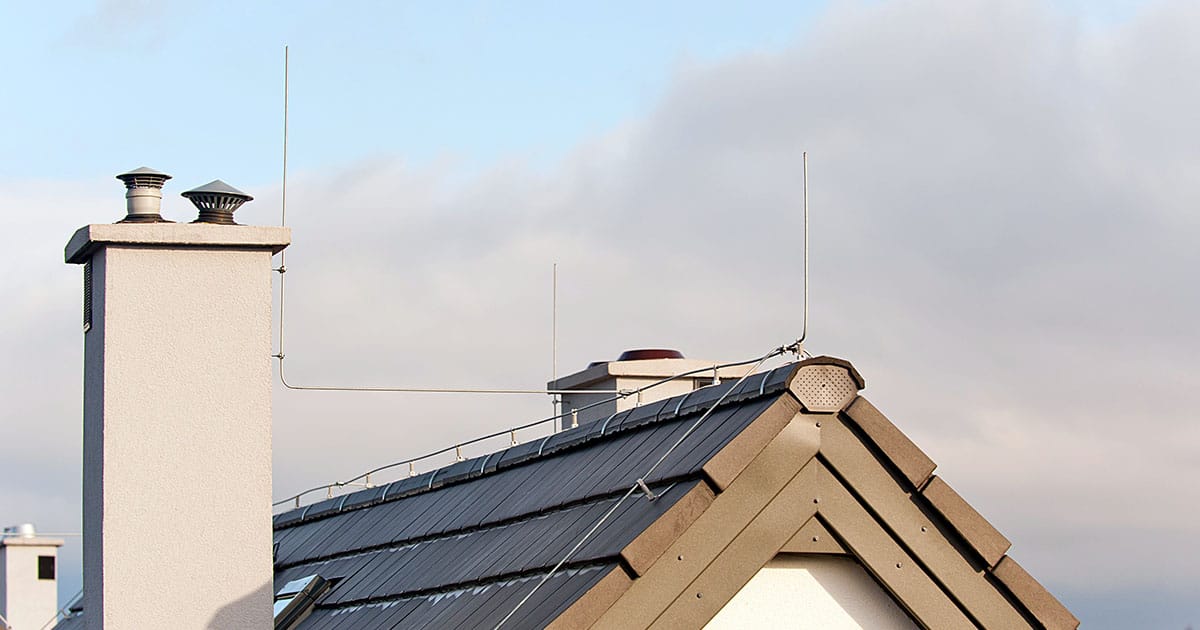
Lightning strikes can be a serious threat to businesses, presenting risks not only to physical infrastructure but also to personal safety. As well as causing damage to critical systems and equipment, lightning strikes can compromise the integrity of buildings, creating potential hazards for occupants and visitors.
As a result, it's essential to take steps to mitigate the risk of lightning strikes and protect your assets from the potential damage they can cause. By implementing lightning protection systems and conducting regular lightning conductor testing, businesses can safeguard their facilities and ensure the safety of those who work or visit there.
Emergency Light servicing and maintenance
The Electricity at Work Regulations 1989 state that lightning protection systems should be tested in accordance with the relevant British Standard (BS EN 62305). Also, if a building with a poorly maintained system or a defective earth installation is struck by lightning or static electricity this can result in ‘flash-over’ to other metals within or on the structure. This can take place even without a direct strike because all materials that can conduct lightning pick up static even if the storm is several miles away.
Receive Lightning Conductor Advice
Your Lightning Protection Questions Answered
Lightning protection is an essential aspect of any comprehensive fire protection system. Regular testing and inspections of lightning conductors is not only a legal requirement but also necessary to ensure that the system is working correctly and that your property and its occupants are protected from the potentially devastating effects of lightning strikes.
We also understand that business owners may have questions about how often to test their lightning conductors and what the testing process involves. That’s why we’ve created this short FAQ to answer some of your questions.